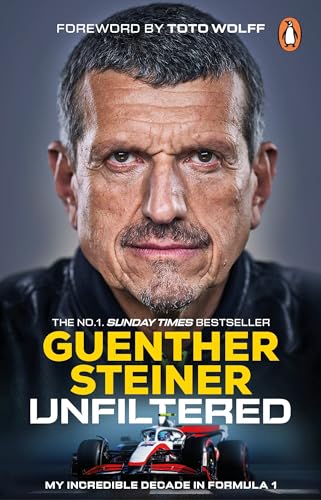
comparing narrative styles in autobiographies versus biographies
When delving into the lives of remarkable individuals, readers often choose between autobiographies and biographies. Both forms provide insights into the human experience, yet they differ significantly in narrative style and perspective. Understanding these differences can enhance one’s appreciation and comprehension of the subject matter.
The First-Person Perspective
Autobiographies are penned by the subjects themselves, offering a first-person perspective that is inherently personal and subjective. This style allows authors to share their thoughts, feelings, and interpretations of events directly with the reader. The use of first-person pronouns creates an intimate connection, drawing readers into the author's inner world. For example, in the autobiography of a public figure, readers may encounter candid reflections on the challenges faced or the motivations behind pivotal decisions. This direct engagement can foster empathy and a deeper understanding of the individual's journey.
The Third-Person Narrative
In contrast, biographies are written by external authors, utilising a third-person narrative style. This approach allows for a broader perspective, as biographers can incorporate various viewpoints and sources, including interviews, letters, and archival materials. The distance afforded by the third-person perspective often results in a more objective portrayal of the subject. For instance, a biography may explore not only the triumphs but also the flaws and failures of the individual, providing a more balanced view of their life. This style can help readers grasp the complexities of the subject’s character and the context in which they lived.
People Also Look For:
Chronological Versus Thematic Structures
Another distinction lies in the structural choices made by authors. Autobiographies often follow a chronological format, mirroring the author's life events in the order they occurred. This linear progression can help readers understand the development of the individual over time. On the other hand, biographies may adopt a thematic approach, organising content around specific themes or ideas rather than strictly adhering to a timeline. This allows biographers to explore the subject's life in greater depth by connecting various aspects of their experiences, such as their relationships, achievements, and societal impact.
Emotional Depth and Objectivity
The emotional depth found in autobiographies is often unparalleled. Authors typically reflect on significant life moments with raw honesty, allowing readers to grasp the emotional weight of experiences, whether joyful or painful. This first-hand account can evoke strong emotional responses from the audience. Conversely, biographies, while they can be moving, generally maintain a level of objectivity that might make them feel less intimate. Biographers strive to present facts and interpretations that are supported by evidence, which can sometimes distance readers from the emotional intricacies of the subject’s life.
Choosing Between the Two
When deciding whether to read an autobiography or a biography, consider what you seek to gain from the reading experience. If you desire an intimate look into the thoughts and emotions of a figure, an autobiography might be more suitable. However, if you prefer a comprehensive understanding that contextualises the individual within their broader social and historical landscape, a biography may be the better choice. Both forms offer unique narratives that contribute to the richness of life storytelling.
Practical Advice for Readers
To make the most of your reading experience, consider the following practical tips: first, read both types for a more rounded perspective; second, take notes on the differing narrative techniques and styles; lastly, discuss your findings with others to deepen your understanding of the complex narratives at play. Engaging with both autobiographies and biographies can enrich your appreciation of storytelling and provide a multifaceted view of the human experience.